🌿
Nervous System Reset
Inside the Aligned Metabolism Method™
Read more

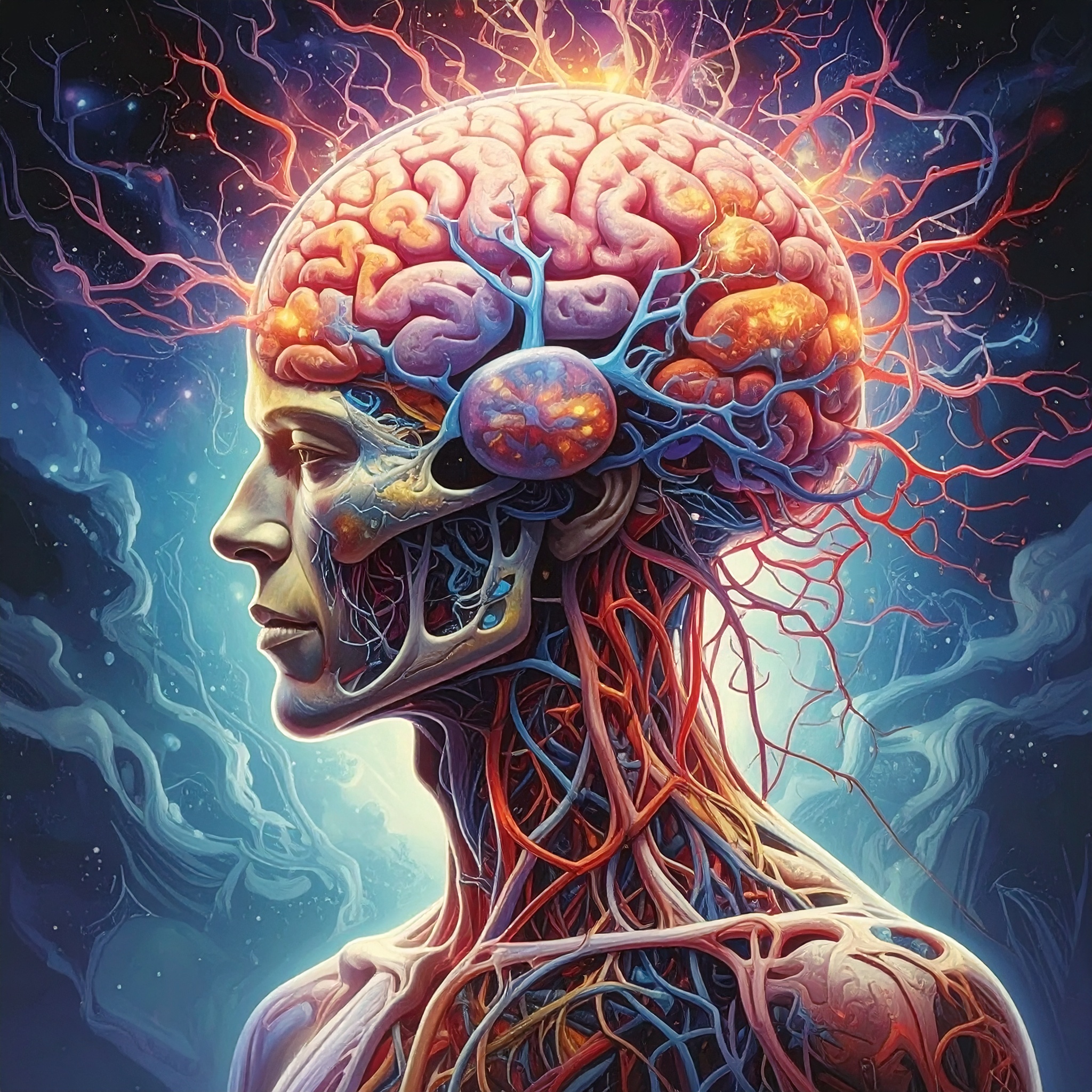
Why Nervous System Safety Matters
When the nervous system feels unsafe, the body will:
• Hold weight
• Disrupt sleep
• Spike cravings
• Increase inflammation
• Dysregulate blood sugar
• Suppress thyroid conversion
• Keep cortisol elevated
This is not lack of discipline.
This is protection.
The goal is not stimulation.
The goal is regulation.
🌅 Morning Regulation: Set the Signal First
Vagus Nerve Support (Gentle + Circadian-Aligned)
This is not about “stimulating harder.”
It’s about sending a predictable safety signal early in the day.
Morning is ideal around sunrise.
Your brainstem and vagal tone are most receptive during the first hour of light exposure when cortisol is naturally rising and your circadian clock is setting.
You can:
• Use it in bed
• Sit by a window
• Take it outside with morning light
• Stack it with red light therapy after sunrise
Morning light + vagal input = stronger parasympathetic signaling.
Dosing Guidelines
Start low and slow.
• 5-10 minutes total
• 5-7x per week
More is not better.
Signal clarity > intensity.
What You’re Looking For
Not an immediate sensation.
Instead, over 24-48 hours:
• Steadier mood
• Better stress resilience
• Easier recovery after triggers
• Smoother energy
• Deeper sleep
• Less wired-but-tired
If you feel worse (wired, jittery, fatigued, headachy), pause.
That’s not failure - it’s feedback.
🌞 1. Morning Light Exposure (Non-Negotiable)
Step outside within 30-60 minutes of waking.
• No sunglasses
• No phone
• Just eyes open to the horizon
• Even cloudy light counts
Light in the eyes sets:
• Cortisol rhythm
• Blood sugar rhythm
• Melatonin timing
• Vagal tone responsiveness
This is the master reset for the day.
🌬 2. Extended Exhale Breathing
Before scrolling. Before input.
Inhale 4 seconds
Exhale 6-8 seconds
Repeat for 3-5 minutes
Longer exhales gently increase parasympathetic tone while allowing cortisol to rise naturally not spike.
🌎 3. Barefoot Grounding (If Available)
Stand or walk barefoot on:
• Grass
• Dirt
• Sand
Even 3-5 minutes is supportive.
This provides:
• Sensory input
• Electrical stabilization
• Anti-inflammatory signaling
• A calm start without stimulation
🚶🏻♀️ 4. Slow Movement
Not a workout.
Think:
• Gentle walking
• Light mobility
• Arm circles
• Shoulder rolls
Movement tells the brain:
“I’m safe enough to move.”
That alone is powerful.
💧 5. Mineral + Hydration Support
Before caffeine.
• Mineralized water
• Pinch of sea salt in water
• Trace minerals
Low mineral status = poor vagal tone signaling.
Hydration first. Stimulation later.
☕ What to Avoid First Thing
• Scrolling
• Email
• News
• Problem solving
• Immediate caffeine on an empty, stressed system
Your nervous system should receive nature before notification.
🌞 Midday Nervous System Support
Stabilize, Don’t Stimulate
Midday isn’t about shutting down stress.
It’s about preventing spikes.
Your nervous system needs:
• Blood sugar stability
• Light consistency
• Predictable fueling
• Micro-regulation moments
Think: smooth energy, not survival mode.
🍽 Around Meals: Protect the Signal
Meals are nervous system events.
If you eat in stress, rush, or distraction — digestion and signaling suffer.
Before You Eat (30-60 seconds)
Pause.
• Take 3 slow breaths
• Lengthen the exhale
• Drop your shoulders
• Unclench your jaw
This shifts you toward parasympathetic dominance so digestion can actually occur.
During Meals
• Sit down
• Avoid screens
• Chew slowly
• Keep meal timing consistent daily
Blood sugar swings = stress response.
Stable fueling reduces:
• Afternoon crashes
• Shaking/internal “low blood sugar” sensations
• Irritability
• Night waking
Consistency builds safety.
💧 Hydration + Minerals Midday
Low mineral status amplifies stress reactivity.
Support with:
• Mineralized water
• Electrolytes without added stimulants
• Adequate sodium if low carb
Dehydration mimics anxiety.
🌤 Light Environment Midday
Natural light exposure mid-morning or early afternoon:
• Stabilizes circadian rhythm
• Improves glucose handling
• Improves mood
• Reduces afternoon slump
If indoors:
• Sit near a window
• Take a 5-minute outdoor break
Light is information for your nervous system.
🚶🏻♀️ Movement After Meals
Not intense.
Just 5–10 minutes of:
• Walking
• Gentle mobility
• Light chores
Post-meal movement improves:
• Glucose uptake
• Insulin sensitivity
• Mental clarity
• Nervous system stability
Movement is a metabolic input — not punishment.
🔥 During Heightened Stress Moments
This is where regulation matters most.
Not when calm.
When triggered.
1. Extended Exhale Reset (60 seconds)
Inhale 4
Exhale 8
Do 5 rounds.
Longer exhales reduce sympathetic dominance.
2. Orienting Practice (Powerful + Fast)
Look around and name:
• 3 neutral objects
• 1 sound you hear
• 1 physical sensation
This pulls the brain out of threat scanning.
3. Jaw + Tongue Release
Your jaw is directly connected to your stress response.
• Let your tongue drop from the roof of your mouth
• Unclench teeth
• Slow exhale
This can instantly reduce tension signaling.
4. Regulate Blood Sugar First
If you feel:
• Shaky
• Irritable
• “Hangry”
• Brain fog
• Racing thoughts
Ask:
“When did I last eat?”
Sometimes the most nervous-system supportive thing is protein.
🚫 Midday Habits That Dysregulate
• Skipping meals
• Stimulants replacing food
• Eating while working
• Constant multitasking
• Blue light overload
• Back-to-back obligations without transition
Your nervous system needs transitions.
Even 2 minutes matters.
🌙 Evening Nervous System Reset
A Natural Descent Into Repair
Evening is not productivity time.
It is cellular repair time.
This is when your body shifts from output to restoration.
From performance to processing.
From cortisol to melatonin.
But that shift doesn’t happen automatically in a modern world.
It happens through predictability.
Through softness.
Through dimming.
Through slowing.
The nervous system needs a clear signal:
“The day is done. You are safe now.”
🌅 The Power of the Light Shift
Light is the strongest nervous system input you receive all day.
Bright light = alertness, cortisol, action.
Dim light = safety, melatonin, repair.
If you want deep sleep, hormone regulation, fat loss, and mitochondrial recovery the descent has to begin before bed.
Not at bedtime.
After sunset.
🕯 LIGHT ENVIRONMENT
After sunset, create contrast.
• Switch off bright overhead lights
• Use lamps only
• Choose warm or red-toned bulbs
• Keep lighting low and indirect
• Avoid white or blue light
If you walk into your home at night and it feels like mid-morning your nervous system stays in mid-morning.
Darkness is not just absence of light.
It is a biological permission slip.
Light is a cortisol signal.
Darkness is a safety signal.
🌙 Let the House Exhale
Think of the evening as letting the house and your body exhale.
• Lower voices
• Reduce noise
• Turn off unnecessary screens
• Move slower
• Stop solving problems
You are not shutting down.
You are shifting states.
🫖 Create a Predictable Wind-Down Cue
The nervous system loves repetition.
Pick one simple cue that signals “we’re closing the day”:
• Herbal tea
• Washing your face
• Changing into soft clothes
• Gentle stretching
• A warm shower
• Sitting in dim light for 5 minutes doing nothing
It doesn’t need to be complicated.
It needs to be consistent.
Predictability builds safety.
Safety builds parasympathetic tone.
Parasympathetic tone builds sleep.
🍽 Timing Matters
• Keep dinner at a consistent time
• Avoid late eating
• Finish meals at least 2-3 hours before bed
Late digestion = stress signal.
Consistent timing = rhythm signal.
The body rests best when it’s not still metabolizing.
🌿 Gentle Body-Based Unwinding
Instead of doing more -unwind what accumulated.
• Legs up the wall
• Gentle neck or jaw massage
• Slow rocking side to side
• Extended exhale breathing
You are not trying to “relax harder.”
You are allowing tension to drain.
🧠 Let Go of Mental Load
Evening is not:
• Planning tomorrow
• Replaying the day
• Measuring progress
• Assessing performance
It is not self-evaluation time.
It is nervous system permission time.
Helpful reminders:
“Nothing is required of me tonight.”
“The work is done.”
“My body knows how to rest.”
🌡 Support the Physical Environment
• Keep the bedroom slightly cool
• Make it as dark as possible
• Remove unnecessary electronics
• Avoid checking the time during night waking
If you wake up, don’t engage the mind.
Soft breathing.
Low light.
Gentle reassurance.
“I am safe. There is nothing to solve.”
Sleep cannot be forced.
It emerges from safety.
The Bigger Picture
Evening regulation improves:
• Deep sleep
• Hormone signaling
• Appetite regulation
• Insulin sensitivity
• Inflammation levels
• Fat loss without pushing
Because a body that feels safe will release.
🔗 Useful Recommended Tools
Becky Niles